

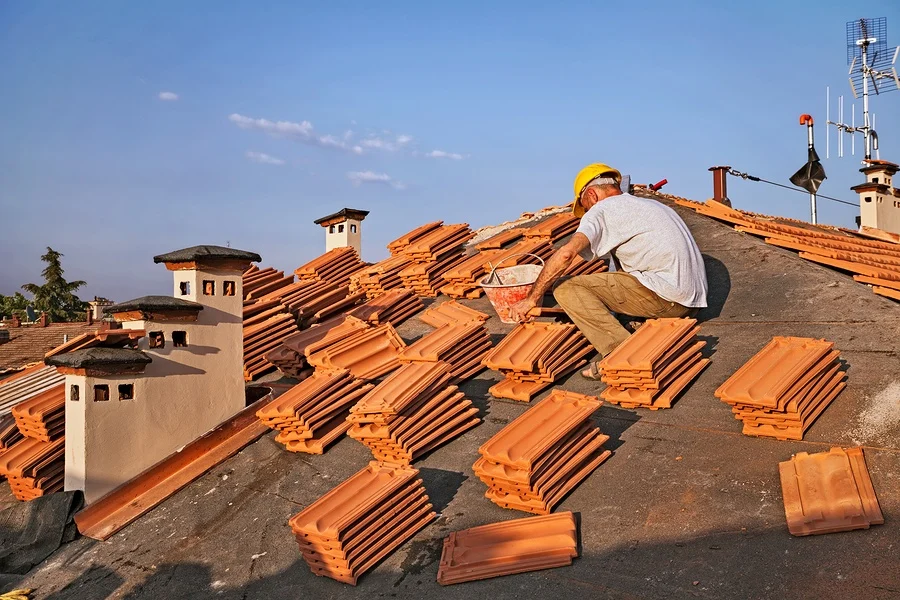
Replacing a roof is one of the most important investments homeowners face. Whether your roof has reached the end of its lifespan or suffered storm damage, understanding the step-by-step roof replacement process helps you prepare financially and logistically. A well-planned replacement ensures safety, energy efficiency, and long-term durability.
This guide breaks down everything you need to know—from roof inspections and permits to selecting roofing materials, hiring a contractor, and understanding costs. Let’s dive in.
Why Understanding the Roof Replacement Process Matters
Roof replacement is more than just tearing off old shingles and installing new ones. It’s a structured roof installation guide that ensures the new system meets building codes, maintains warranty coverage, and protects your home for decades.
Many homeowners choose to work with professional roofing contractors rather than attempting a DIY replacement. Contractors bring experience, knowledge of local permits, and compliance with manufacturer guidelines—factors that directly impact your roof’s warranty.
Pre-Replacement Planning and Roof Inspection
Every roof replacement begins with a thorough roof inspection. During this step, contractors check for:
- Leaks, water stains, and attic ventilation issues
- Damaged shingles or missing flashing
- Structural issues with the roof decking
If your roof suffered storm damage, an inspection report may also support your insurance claim. This is also the stage when homeowners must check local building codes and secure roofing permits—a legal requirement in most regions.
Choosing the Right Roofing Materials
Your choice of roofing materials affects cost, energy efficiency, and durability. Here are the most common options:
- Asphalt Shingles: The most popular option, affordable, easy to install, and available in various colors.
- Metal Roofing: Long-lasting, reflective, and ideal for energy efficiency.
- Tile and Slate: High-end options known for longevity and beauty, though heavier and costlier.
- Energy Star® Certified Roofing: Helps reduce energy consumption and may qualify for tax credits or rebates.
The best choice depends on your climate, architectural style, and budget. For example, metal roofing reflects sunlight in hot climates, while slate performs better in cold or storm-prone regions.
Preparing the Site and Ensuring Safety
Before the actual work begins, contractors prepare the site. This includes:
- Safety precautions: harnesses, helmets, and ladder stabilizers.
- Protecting landscaping and gutters: using tarps or plywood.
- Waste management: placing a dumpster to collect old materials.
These steps prevent property damage and ensure the crew works under safe conditions.
The Tear-Off Process (Removing the Old Roof)
The tear-off process is where old shingles, nails, underlayment, and flashing are removed. Contractors work section by section, exposing the roof decking underneath.
During this stage, hidden damage may be revealed—such as rotting wood or sagging decking—which must be repaired before installing the new roof. Skipping these repairs could compromise the entire roofing system.
Installing the New Roofing System
Once the old roof is removed and repairs are made, the new roof installation begins. This is where precision matters most.
1. Underlayment Installation
A waterproof layer (felt paper or synthetic underlayment) is laid directly over the decking. This acts as a moisture barrier and extra line of defense.
2. Flashing and Drip Edge
Metal flashing is installed around chimneys, valleys, and skylights to prevent leaks. A drip edge is added along the eaves to guide water into the gutter system.
3. Shingle or Roofing Material Installation
For asphalt shingles, contractors install a starter strip at the roof’s edge, then layer shingles in a staggered pattern using roofing nails. Other materials—like metal panels or slate tiles—require specialized techniques but follow the same principle of water-tight layering.
4. Ventilation and Ridge Vents
Proper airflow prevents moisture buildup and extends roof life. Ridge vents and soffit vents are installed to maintain steady circulation, reducing risks of ice dams in winter and overheating in summer.
Final Steps in Roof Replacement
The final touches ensure a polished, weatherproof finish:
- Installing ridge caps for a uniform look.
- Sealing roof penetrations (vents, chimneys).
- Cleaning up debris, nails, and leftover materials.
- Inspecting gutters and making adjustments if needed.
A professional crew always leaves the site clean and safe.
Post-Installation Inspection and Warranty
After installation, contractors conduct a final walkthrough inspection with the homeowner. This step ensures the roof is properly aligned, sealed, and finished.
Homeowners should also:
- Register the roof warranty with the manufacturer.
- Keep documentation for insurance or resale value.
- Understand warranty terms (labor vs. materials).
Cost, Timeline, and Homeowner Checklist
Cost of Roof Replacement
The cost of roof replacement depends on material, roof size, and labor. On average:
- Asphalt shingles: $5,000 – $12,000
- Metal roofing: $10,000 – $20,000
- Slate/tile roofing: $20,000+
Timeline for Roof Replacement
A typical roof replacement takes 1–5 days, depending on size, weather, and material complexity.
Homeowner Checklist
- Secure permits.
- Choose roofing materials.
- Verify contractor licensing and insurance.
- Confirm warranty details.
- Prepare the home (move cars, cover landscaping).
Conclusion: Ensuring a Smooth Roof Replacement Journey
A roof replacement is a major project, but following a structured step-by-step roof replacement process ensures long-lasting results. From the initial inspection to the final walkthrough, every stage matters for performance, safety, and warranty protection.
Hiring an experienced roofing contractor ensures compliance with building codes and maximizes the lifespan of your new roof. While costs can be significant, the investment pays off through energy savings, improved home value, and peace of mind.
FAQs
1. How long does a full roof replacement take?
Most projects take 1–5 days depending on size and materials.
2. What is the average cost of replacing asphalt shingles?
The national average ranges between $5,000 and $12,000.
3. Do I need a permit for roof replacement?
Yes, most local building codes require permits.
4. How do I prepare my home for a roof tear-off?
Move vehicles, cover landscaping, and secure fragile items inside the house.
5. Can I replace just part of my roof instead of the whole thing?
Yes, but full replacement is often more cost-effective in the long run.