

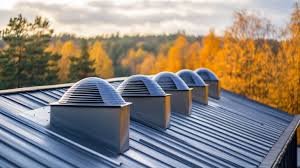
When most homeowners think about protecting their roof, they picture durable shingles, sturdy flashing, and quality installation. But one of the most overlooked aspects of roofing health is ventilation. Without proper airflow, even the strongest roof can deteriorate prematurely. Poor ventilation leads to moisture buildup, attic heat, mold, ice dams, and costly structural damage.
In this guide, we’ll break down the roof ventilation best practices to prevent damage, how climate affects your choices, and why proper installation saves thousands in long-term repairs.
Understanding Roof Ventilation Basics
Roof ventilation is the process of circulating air through the attic and roofing system. The goal is to balance intake vents (which pull in cool, fresh air) with exhaust vents (which push hot, moist air out).
- Intake vents: usually installed in soffits or eaves.
- Exhaust vents: often placed at ridge caps, gables, or roof turbines.
This airflow system prevents stagnant heat and condensation, protecting the roof decking, insulation, and shingles.
Why Proper Roof Ventilation is Essential
Ventilation isn’t just about comfort—it directly impacts the durability and efficiency of your home. Here’s why it matters:
- Moisture prevention – Stops condensation that leads to mold growth, wood rot, and insulation damage.
- Ice dam prevention – In cold climates, ventilation maintains consistent roof temperatures, reducing ice dams that cause leaks.
- Extended roof lifespan – Prevents shingle curling, blistering, and premature aging caused by attic heat.
- Energy efficiency – Reduces air conditioning costs by allowing hot air to escape during summer.
- Indoor air quality – Minimizes musty odors and humidity imbalances inside the home.
Simply put, ventilation is roof damage prevention insurance.
Common Problems Caused by Poor Roof Ventilation
When ventilation is ignored, problems quickly follow:
- Overheated attic – Can reach 150°F in summer, shortening shingle lifespan.
- Condensation and moisture buildup – Leads to rotting rafters and sagging decking.
- Ice dams – Cause water to back up under shingles in snowy climates.
- High utility bills – HVAC systems overwork to balance indoor climate.
- Mold & poor indoor air quality – Dangerous for health, especially in humid areas.
Homeowners often mistake these issues as “roofing material defects,” when the real culprit is poor airflow balance.
Types of Roof Ventilation Systems
Choosing the right ventilation system is key to efficiency.
- Ridge vents – Run along the peak of the roof, offering consistent exhaust.
- Soffit vents – Located under the eaves, crucial for drawing in intake air.
- Gable vents – Triangular vents on exterior walls; effective only when paired with other systems.
- Turbine vents – Use wind power to pull hot air out (mechanical assist).
- Box vents – Simple, stationary exhaust vents.
- Powered attic fans – Useful for large homes or hot climates, though they must be properly balanced with intake vents.
Best practice: combine ridge vents and soffit vents for optimal airflow.
Roof Ventilation Best Practices to Prevent Damage
Now let’s get into the core strategies every homeowner should follow:
- Balance intake and exhaust airflow – Too much exhaust without intake creates negative pressure; too much intake without exhaust traps air.
- Install ridge + soffit vents together – This combination creates continuous, energy-efficient ventilation.
- Follow building codes & manufacturer guidelines – Ensures warranty protection and code compliance.
- Avoid mixing systems improperly – Don’t combine ridge vents with gable vents; it disrupts airflow.
- Inspect and maintain vents – Clear nests, leaves, or dirt that block airflow.
- Consider climate factors – Hot regions benefit from solar-powered fans, while cold regions must prioritize ice dam prevention.
Roof Ventilation and Climate Considerations
Ventilation needs differ based on geography:
- Hot climates – Focus on releasing attic heat. Solar attic fans and ridge vents work best.
- Cold climates – Balance insulation and airflow to prevent ice dams and condensation.
- Humid regions – Extra attention to moisture control with continuous airflow.
Ignoring local climate conditions leads to energy loss and structural damage.
Professional Installation vs. DIY
While some homeowners attempt DIY, ventilation is best handled by a licensed roofing contractor.
- Professionals ensure balance between intake and exhaust.
- Contractors follow local building codes and prevent mistakes that void warranties.
- DIY risks include: blocked soffits, improper fan placement, or inadequate vent sizing.
Best practice: schedule an annual roof inspection to check ventilation health.
Cost of Roof Ventilation and Long-Term Savings
Ventilation is an investment, not just an expense.
- Soffit vents: $3–$5 per linear foot.
- Ridge vents: $2–$4 per linear foot.
- Box vents: $20–$70 each.
- Powered attic fans: $200–$600 installed.
Though upfront costs vary, savings come from:
- Lower HVAC bills.
- Extended shingle and roof decking lifespan.
- Avoiding costly repairs from mold, leaks, or ice dams.
Maintenance Tips for Long-Lasting Roof Ventilation
Like any system, ventilation requires upkeep:
- Check vents annually during roof inspections.
- Remove debris such as leaves, dirt, or bird nests.
- Look for condensation signs in attic insulation.
- Monitor indoor humidity levels with a hygrometer.
- Schedule professional cleaning/inspection every few years.
Consistent maintenance ensures your roof system works as intended for decades.
Conclusion: Protecting Your Home with Smart Roof Ventilation
A roof is more than shingles and nails—it’s a system that relies on airflow. Proper roof ventilation prevents damage, saves energy, and extends the life of your home.
By following best practices—balancing intake and exhaust, choosing the right vents, and adjusting for climate—you protect your home’s structural integrity, energy efficiency, and indoor air quality.
For lasting results, work with a trusted roofing contractor, follow a maintenance schedule, and treat ventilation as a long-term investment in your home’s health.
FAQs
1. What is the most effective type of roof vent?
Ridge vents paired with soffit vents provide the best balance of intake and exhaust.
2. How do I know if my roof ventilation is adequate?
Look for signs like high attic temperatures, condensation, or uneven roof aging.
3. Can poor ventilation really cause roof damage?
Yes. It leads to shingle deterioration, wood rot, and mold growth.
4. Do ridge vents work better than gable vents?
Yes. Ridge vents with soffits create continuous airflow, while gable vents alone are less effective.
5. How much can proper roof ventilation save on energy bills?
Homeowners can reduce cooling costs by 10–20% annually with proper ventilation.