
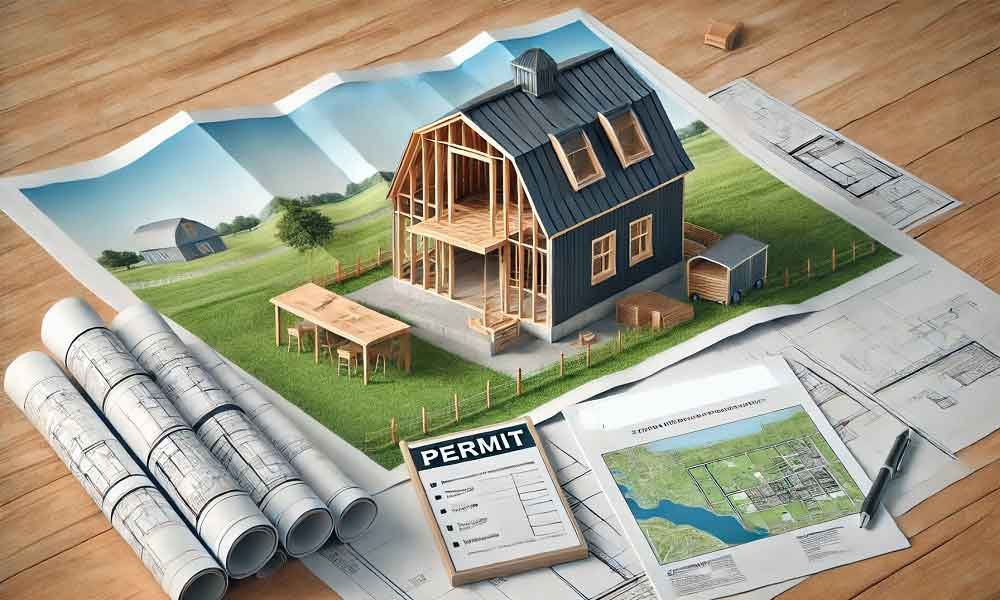
Building a barndominium—a unique blend of barn-style architecture and modern living—is an exciting journey. However, before breaking ground, understanding permits and zoning requirements for barndominium construction is essential. These regulations ensure your project meets local safety codes, land-use laws, and occupancy standards.
Each state, county, or municipality has different zoning classifications and building permit requirements. Knowing what applies to your property can save you time, money, and frustration during the construction process.
Understanding Barndominiums and Their Classification
A barndominium (or “barndo”) is typically a metal building that serves as both a residence and functional space—often blending living quarters with workshops, garages, or storage.
Depending on how you plan to use it, your barndominium might be classified as:
- Residential structure (for full-time living)
- Agricultural or mixed-use building
- Commercial structure (if used partly for business operations)
Your local building department or zoning board determines the official classification. This classification directly affects what kind of permits you’ll need and which building codes (such as the International Building Code – IBC) apply.
Why Building Permits Are Required for Barndominiums
A building permit isn’t just red tape—it’s a legal authorization ensuring your barndominium complies with safety and structural standards. The building department reviews your construction plans, verifies compliance with the International Residential Code (IRC), and approves your design before construction begins.
Common Reasons Permits Are Needed:
- Structural safety: Confirms your foundation, framing, and roof design are sound.
- Utility compliance: Ensures electrical, plumbing, and HVAC systems meet code.
- Fire safety and accessibility: Keeps your living area safe for occupancy.
Without a permit, you risk facing code violations, legal penalties, or denied insurance coverage. In many counties, unpermitted construction can lead to stop-work orders or even property demolition.
Types of Permits Needed for a Barndominium
1. Building Permit
This is the core approval for your entire project. It covers:
- Structural integrity of the building
- Foundation type and framing materials
- Roofing, insulation, and fire-rated components
The permit office may request stamped drawings from a licensed architect or engineer before approval. Costs range from $500 to $2,000, depending on location and square footage.
2. Electrical, Plumbing, and Mechanical Permits
These are sub-permits that cover your barndominium’s internal systems:
- Electrical Permit: Confirms wiring and circuit safety under the National Electrical Code (NEC).
- Plumbing Permit: Ensures proper water supply, drainage, and septic system installation.
- Mechanical Permit: Regulates HVAC design, venting, and energy efficiency.
3. Occupancy and Environmental Permits
Before moving in, you’ll need a Certificate of Occupancy (CO) to verify that your building is safe for residential use. In rural areas, environmental permits may also be required to assess drainage, septic systems, and stormwater runoff in compliance with EPA standards.
Zoning Laws and Land Use Restrictions
Zoning determines how your land can be used—and it’s one of the first things to confirm before buying or building.
Common Zoning Classifications:
- Residential (R): Allows permanent homes like barndominiums.
- Agricultural (A): Typically permits barns or farm structures, but may restrict residential use.
- Mixed-Use (MU): Allows both residential and commercial activities.
- Rural or County Zoning: Often more flexible, especially in unincorporated areas.
Each zoning district comes with restrictions on:
- Building setbacks (distance from property lines)
- Height limits
- Lot coverage percentage
You can check your property’s zoning designation using your county’s GIS (Geographic Information System) or by visiting the County Zoning Office.
Steps to Get Your Barndominium Approved
Building legally requires a series of clear, logical steps.
- Check Zoning and Land Use: Verify your land’s zoning designation.
- Prepare a Site Plan: Hire a land surveyor to mark boundaries, easements, and setbacks.
- Submit Permit Applications: Provide blueprints, contractor details, and estimated project costs.
- Schedule Required Inspections: Structural, electrical, plumbing, and mechanical inspections occur at various stages.
- Receive the Certificate of Occupancy: This confirms your home meets all safety standards and is ready for use.
Common Mistakes to Avoid
- Skipping permits: Even rural counties require permits for habitable structures.
- Ignoring setbacks or easements: Violations can delay or stop your project.
- Using unlicensed contractors: Can lead to code issues and failed inspections.
- Failing to communicate with inspectors: Leads to misunderstandings and resubmissions.
Working with Local Authorities and Inspectors
A smooth approval process depends on communication and transparency.
- Meet with your local zoning department early in your planning phase.
- Hire a licensed architect or contractor experienced with local codes.
- Keep copies of all inspection reports, receipts, and correspondence for your records.
Remember: inspectors are not adversaries—they ensure your safety and compliance.
How Permits and Zoning Affect Financing and Insurance
Banks and insurance companies require legal documentation before approving loans or coverage.
- Financing: Lenders such as FHA or local banks demand evidence of valid building permits and zoning compliance.
- Insurance: Homeowners’ policies often exclude unpermitted or non-code-compliant structures.
- Appraisals: A home built without legal permits may appraise significantly lower.
Skipping this step could make your barndominium uninsurable or ineligible for mortgage financing.
State-by-State Differences
Zoning laws and permit processes vary widely:
- Texas: Counties like Brazos and Travis require residential permits for metal homes, though rural areas may have relaxed zoning.
- Florida: Strict coastal and hurricane-resistant building standards enforced by the Florida Building Commission.
- Oklahoma & Georgia: Generally flexible with barndominiums in agricultural zones, but residential occupancy still requires permits.
Always check your state’s building code or consult your local permitting office before starting.
Final Checklist Before You Build
- Verify your property’s zoning classification.
- Submit all required permits and blueprints.
- Schedule mandatory inspections.
- Obtain your Certificate of Occupancy before moving in.
- Store copies of permits and inspection approvals safely.
Following these steps ensures your barndominium is not only beautiful—but also 100% legal and insurable.
FAQs About Barndominium Permits and Zoning
Q1: Do I need a building permit for a DIY barndominium?
Yes. Even self-built structures require permits to verify structural and safety compliance.
Q2: Can I live in a barndominium on agricultural land?
In many counties, yes—but only if residential use is permitted under agricultural zoning.
Q3: How long does the approval process take?
Typically between 4–8 weeks, depending on the complexity of your design and local government workload.
Q4: What happens if I build without permits?
You may face fines, stop-work orders, or demolition notices—and insurance coverage could be voided.
Conclusion
Understanding and following permits and zoning requirements for barndominium construction is the foundation of a safe, legal, and successful project. From zoning verification to final inspections, every step matters.
Consulting your local building department, hiring experienced professionals, and maintaining documentation can help you turn your dream barndominium into a compliant, fully approved home.