
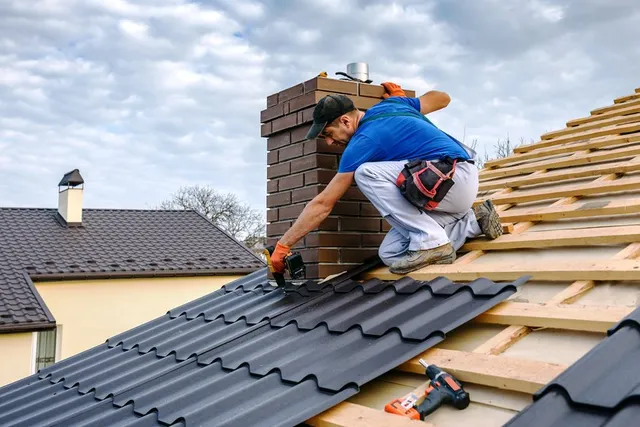
Your roof is one of the most important components of your home, protecting you from the elements and ensuring structural safety. Yet, even the most durable roof has a lifespan, and knowing how to tell if your roof needs repair or replacement can save you from costly damage in the long run.
Over time, roofs deteriorate due to weather exposure, aging materials, and poor maintenance. Spotting the early warning signs—both inside and outside your home—helps you make timely decisions before minor issues become major problems.
In this detailed guide, we’ll explore visible and hidden signs of roof damage, how to assess repair vs. replacement, and what factors affect your roofing decision.
Understanding Roof Lifespan and Durability
The first step in evaluating your roof’s condition is understanding its average lifespan based on material and climate.
| Roof Type | Expected Lifespan |
|---|---|
| Asphalt Shingles | 20–30 years |
| Metal Roof | 40–70 years |
| Clay or Concrete Tile | 50–100 years |
| Wood Shakes | 25–40 years |
| Flat Roof (EPDM, TPO, PVC) | 20–30 years |
If your roof is nearing the end of its expected lifespan, it’s wise to have a professional roofing inspection to assess wear and potential issues.
Exterior Signs Your Roof May Need Attention
One of the easiest ways to determine your roof’s condition is to look at it from the outside.
1. Missing or Damaged Shingles
If you notice cracked, curled, or missing shingles, water can seep underneath and damage the decking.
- Asphalt shingles: Look for bald spots where granules have worn away.
- Metal roofs: Check for rust, corrosion, or loose fasteners.
- Tile roofs: Inspect for cracks or displaced tiles after storms.
2. Sagging Roofline
A sagging or uneven roofline often indicates structural damage, possibly due to moisture or weakened decking. This is usually a strong sign that replacement is needed.
3. Moss, Algae, or Dark Streaks
Moss growth retains moisture and accelerates roof decay. Algae streaks (dark discoloration) can signal trapped moisture beneath shingles.
Interior Warning Signs of Roof Damage
The inside of your home can reveal just as much about your roof’s condition as the outside.
1. Water Stains or Leaks
Brown stains on ceilings or walls are a telltale sign of roof leaks. Even small leaks can cause extensive damage to insulation, drywall, and wooden beams.
2. Mold or Mildew in the Attic
Moisture trapped under roofing materials encourages mold growth and affects indoor air quality. Proper attic ventilation and vapor barriers help prevent this.
3. Peeling Paint or Bubbling Plaster
When moisture infiltrates the walls, paint begins to peel or bubble—indicating roof or flashing failure.
Weather and Environmental Factors That Affect Roof Condition
Climate plays a major role in determining how often you need roof maintenance or replacement.
- Heavy rain or snow: Causes leaks and adds weight stress to roof decking.
- Strong winds: Lift shingles and loosen flashing.
- Hailstorms: Leave dents, punctures, and granule loss.
- UV radiation: Breaks down asphalt and causes cracking over time.
If you live in areas with frequent storms or high humidity, your roof’s lifespan may be shorter than average.
Repair vs. Replacement: Key Decision Factors
Knowing whether to repair or replace your roof depends on several critical elements:
1. Age of the Roof
If your roof is near the end of its expected lifespan, replacing it may be more cost-effective than repeated repairs.
2. Extent of Damage
- Minor issues like a few missing shingles or localized leaks can be repaired.
- Widespread damage, structural sagging, or multiple leaks often indicate it’s time for replacement.
3. Cost Comparison
Roof repairs typically cost between $300 and $1,500, while full replacement can range from $8,000 to $20,000+, depending on material and size.
4. Energy Efficiency
Older roofs may lack reflective coatings or proper insulation, leading to higher energy bills. Replacing your roof with cool roof materials can improve efficiency and comfort.
Professional Roof Inspection: What to Expect
Hiring a certified roofing contractor gives you an expert evaluation using modern tools and safety practices.
Inspection Process:
- Visual inspection for shingle damage and flashing integrity
- Attic inspection for leaks or insulation issues
- Infrared scan to detect hidden moisture
- Evaluation of ventilation and drainage systems
After the inspection, you’ll receive a roof condition report outlining whether repair or replacement is recommended.
Maintenance Tips to Extend Roof Life
Routine maintenance can add years to your roof’s lifespan and help you avoid premature replacement.
- Clean gutters regularly: Prevent clogs that cause water pooling.
- Remove debris: Keep leaves, branches, and dirt off the roof surface.
- Trim nearby trees: Prevent branches from scraping or puncturing shingles.
- Reapply coatings or sealants: Protect metal and flat roofs from corrosion.
- Inspect after storms: Check for lifted shingles or damaged flashing.
Energy Efficiency and Eco-Friendly Roofing Upgrades
Modern roofing technology offers energy-efficient and sustainable solutions.
If your roof is outdated, upgrading can improve comfort and reduce costs.
Benefits of Replacement:
- Cool roof coatings reflect sunlight and reduce indoor temperatures.
- Insulated roofing panels improve energy efficiency.
- Recycled or sustainable materials lower environmental impact.
When to Call a Roofing Contractor
Don’t wait until leaks worsen. Call a professional if you notice:
- Persistent water stains or leaks after rainfall
- Sagging roof sections
- Missing or curling shingles
- Mold growth or strong odors in the attic
- Storm or hail damage
Always choose a licensed, insured, and BBB-accredited roofing contractor with verifiable experience.
Common Mistakes Homeowners Make
Avoiding these mistakes can save you from expensive repairs:
- Ignoring small leaks
- Walking on fragile roof sections
- Using power washers that strip granules
- Failing to maintain gutters and vents
- Attempting unsafe DIY repairs
Cost Benefits of Timely Action
Delaying roof maintenance or replacement often leads to higher long-term costs.
A small repair now can prevent structural water damage later, saving thousands.
Proper roof care also improves:
- Home resale value
- Energy savings
- Insurance compliance
FAQs About Roof Repair and Replacement
Q1: How often should I inspect my roof?
At least twice a year—once in spring and once in fall.
Q2: Can I repair only part of my roof?
Yes, if the damage is localized. But widespread wear often requires full replacement.
Q3: How long does a roof replacement take?
Typically 1–3 days, depending on weather, roof size, and material type.
Q4: Will my insurance cover roof repairs?
Most policies cover storm or accidental damage, not normal wear and tear.
Conclusion
Your roof is a long-term investment that protects your home and family. Learning how to tell if your roof needs repair or replacement empowers you to make informed decisions—saving money, improving energy efficiency, and maintaining property value.
Regular inspections, prompt repairs, and professional guidance will ensure your roofing system lasts for decades. If you’re uncertain about your roof’s condition, schedule an inspection with a certified roofing contractor to get expert advice tailored to your home’s needs.