

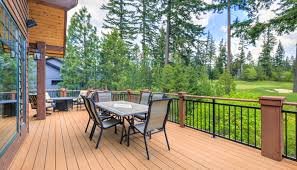
A deck is more than just an extension of your home—it’s a hub for outdoor living, relaxation, and entertainment. Whether you enjoy morning coffee, summer barbecues, or evening gatherings with family, a well-maintained deck ensures safety, longevity, and aesthetic appeal. Unfortunately, decks are exposed to harsh weather, UV rays, moisture, and insects, all of which can reduce their lifespan and beauty.
Maintaining your deck properly is essential for years of outdoor enjoyment. From cleaning and sealing to repairing damage and preparing for seasonal changes, each step plays a crucial role in preserving your deck’s functionality and visual charm. This guide provides homeowners with actionable, detailed advice to keep wood, composite, and PVC decks in top condition.
Understanding Your Deck Material
The first step in effective maintenance is understanding the type of decking material you have, as each requires a different approach.
1.1 Wood Decks
Wood decks provide natural warmth and beauty, but they require consistent care. Common wood types include:
- Pressure-Treated Pine: Affordable but susceptible to rot and insect damage if neglected.
- Cedar and Redwood: Naturally resistant to decay and insects, with rich colors.
- Tropical Hardwoods (Ipe, Teak): Extremely durable and low-maintenance but expensive.
Maintenance for wood decks includes cleaning, sealing, staining, and inspection for cracks or rot. Without proper care, wood can warp, splinter, or lose color quickly.
1.2 Composite Decks
Composite decks combine wood fibers and recycled plastics, offering a wood-like look with lower maintenance requirements. Composite decking is:
- Resistant to moisture, rot, and insect damage
- Less prone to fading, warping, or splintering
- Easy to clean with mild soap and water
Although composite decks are low-maintenance, they still benefit from seasonal cleaning and inspection for loose boards or damaged fasteners.
1.3 PVC Decks
PVC decks are 100% synthetic, making them virtually maintenance-free. They are:
- Resistant to moisture, UV rays, and insects
- Durable and long-lasting
- Easy to clean with just water or mild detergents
PVC decks rarely require staining or sealing, but occasional washing keeps them looking fresh.
2. Seasonal Maintenance Checklist
Maintaining your deck throughout the year ensures long-term durability and aesthetic appeal. Following a seasonal routine helps prevent damage and extends your deck’s lifespan.
2.1 Spring Maintenance
- Clean debris and leaves accumulated over winter
- Inspect for winter damage, including cracks, splinters, or loose fasteners
- Reapply sealant or stain to wooden decks if needed
- Remove mold or mildew with a deck cleaner
2.2 Summer Maintenance
- Wash off dirt and pollen to prevent discoloration
- Check for loose boards, nails, or screws
- Inspect for insect activity and treat as necessary
- Consider shade solutions to protect wood from harsh UV rays
2.3 Fall Maintenance
- Remove fallen leaves and debris to prevent moisture buildup
- Inspect for cracks and splinters, repair as needed
- Prepare deck for winter by cleaning surfaces and covering furniture
2.4 Winter Maintenance
- Remove snow gently using plastic shovels to avoid scratching the deck
- Avoid salt or harsh chemicals that can damage wood or composite boards
- Protect outdoor furniture and grills to prevent stains or scratches
3. Cleaning Your Deck Properly
Regular cleaning prevents mold, mildew, algae, and dirt buildup, which can make decks slippery or unsightly.
- Wood Decks: Use mild soap, water, and a soft brush. Avoid high-pressure washers that may damage fibers.
- Composite Decks: Clean with mild detergent and water; a soft brush or mop is sufficient.
- PVC Decks: Wash with water or mild soap; no harsh cleaners needed.
- For mold and mildew, use a deck cleaner formulated for your material to remove stains without damage.
Proper cleaning not only enhances appearance but also prevents long-term damage, preserving your deck’s integrity.
4. Staining, Sealing, and Painting Your Deck
Applying stain, sealant, or paint protects your deck from weather, moisture, and fading.
4.1 Importance
- Protects against UV rays and moisture penetration
- Maintains deck color and aesthetic appeal
- Extends the lifespan of your wood deck
4.2 Frequency
- Wood decks: every 2–3 years
- Composite decks: as needed (often optional)
- PVC decks: rarely, mostly optional
4.3 Tips
- Apply on a clean, dry surface
- Choose products compatible with your decking material
- Follow manufacturer instructions for best results
- Avoid applying in extreme temperatures or direct sunlight
5. Repairing and Inspecting Your Deck
5.1 Regular Inspections
- Check for loose nails, screws, or boards
- Look for cracks, splinters, rot, or insect damage
5.2 Repairs
- Replace damaged boards promptly
- Tighten or replace hardware as needed
- Sand rough spots to prevent injuries from splinters
Regular inspections allow you to catch issues early, reducing repair costs and improving safety.
6. Preventing Deck Damage
Prevention is often better than repair. Here are ways to protect your deck:
6.1 Weather Protection
- Use covers, umbrellas, or shade structures to reduce exposure to UV rays and rain
- Avoid placing potted plants directly on wood surfaces without trays to prevent moisture buildup
6.2 Furniture and Grill Care
- Use protective pads under furniture legs
- Avoid dragging heavy objects across deck surfaces
- Clean food and drink spills promptly to prevent stains
6.3 Pest Prevention
- Inspect for termites or ants regularly
- Apply insect treatments when necessary to prevent infestations
7. Conclusion
Proper deck maintenance ensures that your outdoor space remains safe, attractive, and enjoyable for years to come. By understanding your deck material, following a seasonal maintenance routine, cleaning regularly, applying stains or sealants, inspecting for damage, and taking preventive measures, you can extend the lifespan of your deck while keeping it visually appealing.
Investing time and effort into deck care protects your home’s value, enhances outdoor living, and maximizes years of outdoor enjoyment with family and friends.
8. FAQs
Q1: How often should I clean my deck?
- Ideally, clean wood, composite, or PVC decks at least twice a year, with spot cleaning as needed.
Q2: What is the best sealant for a wood deck?
- Use a high-quality, UV-resistant sealant or stain compatible with your wood type.
Q3: Can composite decks mold or fade?
- Composite decks resist mold and fading better than wood but may develop mildew if not cleaned regularly.
Q4: How do I protect my deck during winter?
- Remove snow gently, avoid salt, and cover furniture to minimize damage.
Q5: When should I replace damaged deck boards?
- Replace boards immediately if there’s rot, deep cracks, or insect damage to maintain safety.