

Residential & Commercial Construction Experts | Quality Construction Services| construction experts colorado

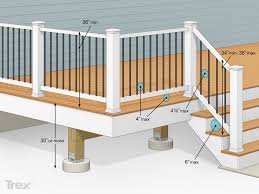
Deck Railing Codes and Height Regulations: A Complete Homeowner Guide
images 2

Building a safe deck isn’t just about choosing the right materials or design—it’s also about making sure your railing system meets required deck railing codes and height regulations. These rules protect your family, prevent falls, and ensure that your deck passes inspections and complies with both national and local building codes. In this detailed, easy-to-understand […]

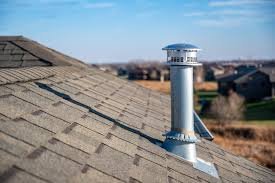
Roof Ventilation Best Practices to Prevent Damage: A Complete 2025 Guide
images

Roof ventilation may not be the most exciting home topic, but it is one of the most important. Without proper airflow in your attic and roofing system, moisture, heat, and pressure can build up—leading to mold, wood rot, curling shingles, ice dams, high energy bills, and even structural deterioration. Following the right roof ventilation best […]

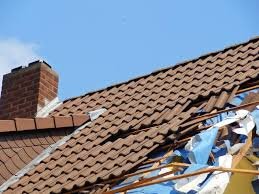
Storm Damage Identification and Homeowner Tips (Complete Guide)
images 1

Storms can strike unexpectedly, leaving behind damage that isn’t always obvious at first glance. From wind and hail to heavy rain and fallen trees, storms can affect everything—from your roof and siding to your foundation and electrical system. Learning storm damage identification and understanding the right homeowner tips can help you catch issues early, avoid […]

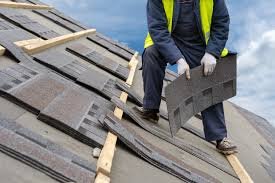
Step-by-Step Roof Replacement Process (Complete Guide for Homeowners in Texas)
images 3

A roof replacement is one of the biggest home improvement projects you’ll ever face. Whether your roof was damaged by storms, reached the end of its lifespan, or shows visible signs of wear, understanding the step-by-step roof replacement process is crucial. At BHC Construct, Texas, we help homeowners make informed decisions, avoid costly mistakes, and […]

Maintenance Tips to Prevent Cracking and Fading: The Complete Expert Guide
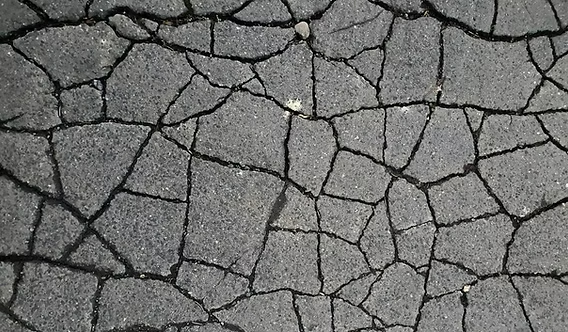
Maintenance Tips to Prevent Cracking and Fading

Keeping your surfaces—from concrete patios to wooden decks, walls, tiles, and outdoor furniture—looking new for years requires more than cleaning. Cracking and fading are two of the most common issues caused by the environment, age, and daily usage. With the right maintenance strategies, you can extend the material lifespan, protect surfaces from UV rays, reduce […]

Cost Breakdown of Custom Stamped Concrete Patios: 2025 Complete Guide
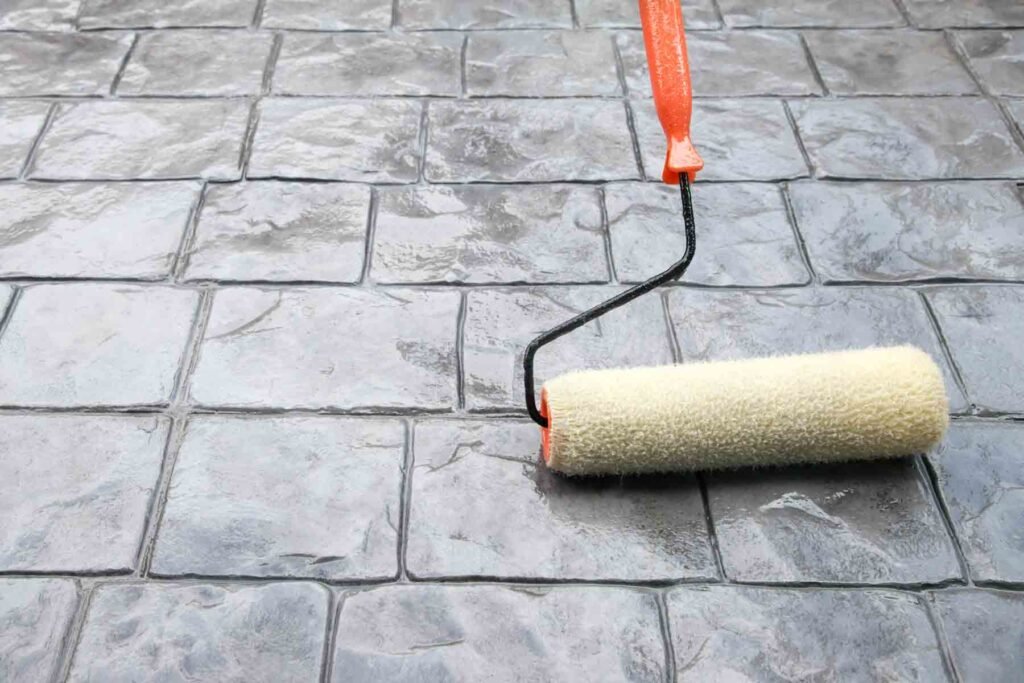
Cost Breakdown of Custom Stamped Concrete Patios

Stamped concrete patios have become one of the most popular outdoor upgrades for homeowners who want a beautiful, durable, and cost-effective alternative to pavers and natural stone. But before starting the project, understanding the full cost breakdown is essential. The price of a custom stamped concrete patio varies widely depending on the materials, pattern complexity, […]

How to Integrate Lighting Into Your Deck for Nighttime Use
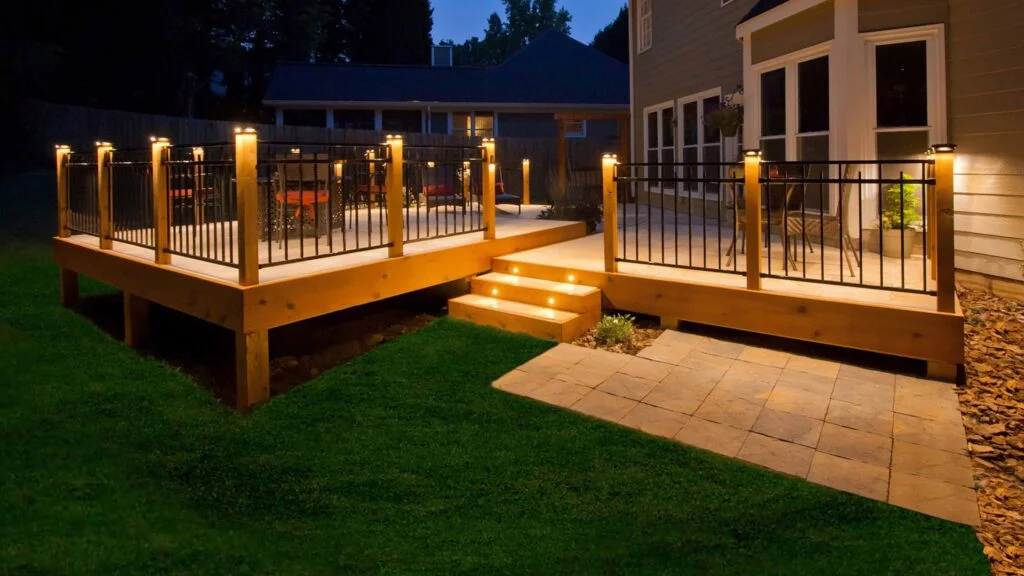
Integrate Lighting Into Your Deck for Nighttime Use

Creating an outdoor deck is one of the best ways to extend your living space, but it becomes truly functional and inviting when it is well-lit at night. Whether you enjoy hosting evening gatherings, relaxing outdoors, or improving your home’s curb appeal, integrating deck lighting transforms a simple deck into a warm, stylish, and safe […]

The Cost of Building a Custom Deck in 2025: A Complete Homeowner’s Guide
Cost of Building a Custom Deck

Building a custom deck continues to be one of the smartest ways to expand your outdoor living space, increase home value, and create an area where family and friends can relax. But with construction costs fluctuating, most homeowners are asking the same question: “How much does it cost to build a custom deck in 2025?” […]

Building a Multi-Level Deck: Pros, Cons, and Design Ideas
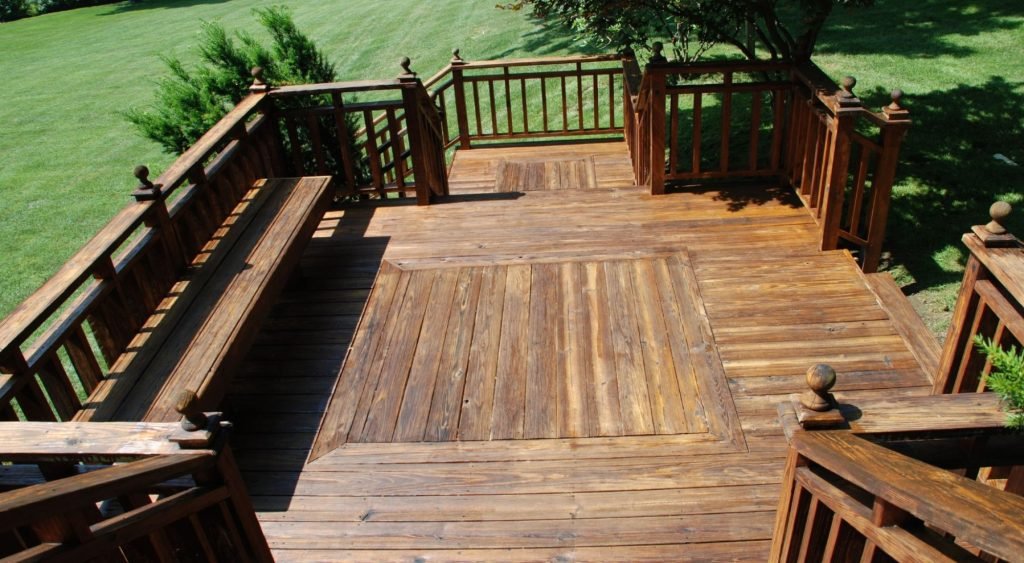
Building a Multi-Level Deck

A multi-level deck transforms an ordinary backyard into a dynamic outdoor living space. Unlike a single-level deck, it allows homeowners to create distinct zones for dining, lounging, entertaining, and relaxing, all within a single cohesive structure. From increasing usable space to adding architectural interest, multi-level decks offer unique benefits but also come with higher construction […]

Choosing the Right Decking Material: Wood, Composite, or PVC
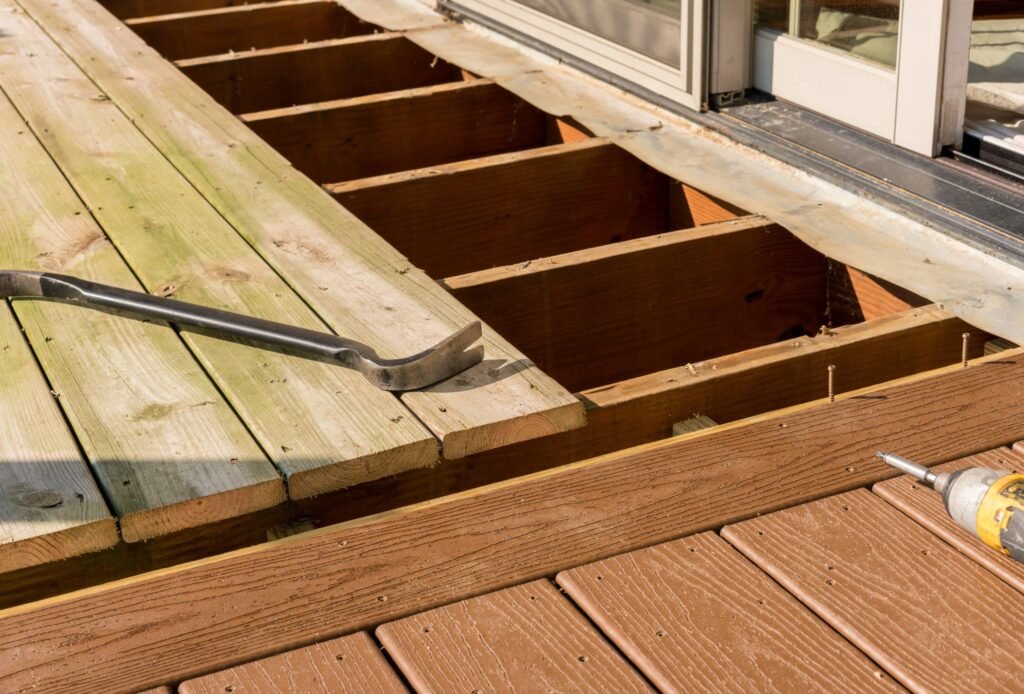
Choosing the Right Decking Material: Wood, Composite, or PVC Selecting the right decking material is one of the most important decisions when designing or renovating an outdoor space. The choice affects durability, aesthetics, maintenance requirements, and overall cost. Homeowners often struggle to decide between wood, composite, or PVC decking, each offering unique benefits and drawbacks. Understanding these options in terms of longevity, upkeep, appearance, and environmental impact can help you make an informed decision. In this guide, we’ll explore each decking material, compare their features, and provide tips for choosing the best option for your climate, budget, and lifestyle. 1. Factors to Consider When Choosing Decking Material Before deciding on a decking material, several critical factors should influence your choice: 1.1 Durability and Longevity Decking materials vary significantly in resistance to weather, UV exposure, moisture, and insect damage. Wood offers natural strength but is prone to rot and warping if not properly maintained. Composite and PVC decking, made from engineered or synthetic materials, are more resilient and can last 25–30 years or more with minimal upkeep. 1.2 Maintenance Requirements Maintenance can be a deciding factor for many homeowners. Wooden decks require regular cleaning, sealing, staining, or painting, while composite decks only need periodic cleaning. PVC decks are virtually maintenance-free, needing just an occasional wash to remove dirt and debris. 1.3 Aesthetic Appeal Aesthetics play a crucial role in your choice. Wood provides natural warmth and texture, whereas composite boards often mimic wood grain while offering uniform colors and finishes. PVC decking comes in a variety of colors and styles, offering a modern, sleek look but less natural texture. 1.4 Cost and Budget Considerations Upfront cost and long-term investment should be evaluated. Wood is generally more affordable initially but can incur higher costs over time due to maintenance. Composite is moderate to high in price, offering durability and lower maintenance costs. PVC is typically the most expensive, but its longevity and low upkeep often justify the investment. 1.5 Environmental Impact Sustainability is becoming increasingly important. Wood decking can be sourced from responsibly managed forests, while composite boards often contain recycled plastic and wood fibers. PVC is fully synthetic and recyclable but has a higher environmental footprint in production. LSI Keywords: deck material comparison, maintenance of decking, cost-effective decking, eco-friendly deck boards NLP Entities: decking material, wood deck, composite deck, PVC deck, maintenance, outdoor space, climate, homeowners 2. Wood Decking 2.1 Types of Wood Wood decking comes in several varieties: Pressure-Treated Pine: Affordable and widely available, but requires regular sealing and maintenance. Cedar: Naturally resistant to rot and insects; offers a warm, reddish hue. Redwood: Durable, stable, and naturally resistant to decay; premium option. Tropical Hardwoods (e.g., Ipe, Teak): Extremely durable, low maintenance, and visually striking but expensive. 2.2 Advantages Natural Beauty: Provides a classic, timeless appearance with unique grain patterns. Sturdiness: Strong structural support for heavy outdoor furniture or foot traffic. Traditional Appeal: Works well with most outdoor architectural styles. 2.3 Disadvantages High Maintenance: Requires frequent cleaning, sealing, or staining to maintain appearance and longevity. Prone to Weather Damage: Susceptible to rot, warping, cracking, and insect infestation. Shorter Lifespan: Typically 10–25 years depending on maintenance and climate conditions. LSI Keywords: natural wood decking, hardwood deck boards, traditional wood decks, deck maintenance tips NLP Entities: wood type, pressure-treated wood, cedar, redwood, tropical hardwood, UV protection, insect treatment 3. Composite Decking 3.1 Composition Composite decking is made from a blend of wood fibers and recycled plastic, combining the look of natural wood with the durability of synthetic materials. 3.2 Advantages Low Maintenance: Does not require painting, sealing, or staining. Durable: Resistant to rot, insect damage, and fading from sunlight. Long Lifespan: Can last 25–30 years or more with minimal upkeep. Eco-Friendly: Many boards are made with recycled materials. 3.3 Disadvantages Higher Initial Cost: More expensive than most natural woods. Heat Retention: Can become hot under direct sunlight. Appearance: While wood-like, may lack the full natural texture and scent of real wood. LSI Keywords: composite deck boards, low-maintenance decking, recycled plastic decking, durable outdoor deck NLP Entities: composite material, wood fibers, recycled plastic, UV resistance, heat retention, maintenance 4. PVC Decking 4.1 Composition PVC decking is constructed entirely from polyvinyl chloride, making it 100% synthetic and highly resistant to environmental damage. 4.2 Advantages Virtually Maintenance-Free: No staining, sealing, or painting required. Highly Resistant: Unaffected by moisture, insects, rot, or UV rays. Long Lifespan: Can exceed 30 years with proper installation. Uniform Appearance: Available in a wide range of colors and finishes, offering a modern look. 4.3 Disadvantages High Cost: Most expensive decking option upfront. Aesthetics: Lacks the authentic natural wood texture. Slipperiness: Can be slippery when wet; requires anti-slip treatments or textured surfaces. LSI Keywords: PVC deck boards, synthetic decking, low-maintenance PVC decking, waterproof deck material NLP Entities: PVC material, synthetic deck, UV resistance, moisture resistance, lifespan, color options 5. Comparison of Wood, Composite, and PVC Decking Feature Wood Composite PVC Maintenance High Low Very Low Lifespan 10–25 years 25–30 years 30+ years Appearance Natural wood Semi-natural Uniform Cost Low–Medium Medium–High High Environmental Impact Renewable Recycled Synthetic This comparison highlights the trade-offs between cost, maintenance, durability, and aesthetics, helping homeowners make informed choices. LSI Keywords: decking comparison chart, wood vs composite vs PVC, deck material pros and cons NLP Entities: maintenance, lifespan, cost, appearance, environmental impact 6. Choosing the Right Material for Your Project 6.1 Consider Your Climate Wood can warp or rot in humid or rainy climates. PVC or composite decks are better for coastal or wet areas. 6.2 Assess Your Maintenance Preferences High-maintenance wood vs low-maintenance composite or PVC. Time and effort required for upkeep can influence long-term satisfaction. 6.3 Budget Planning Factor in initial cost, maintenance, and replacement expenses over time. While PVC is the priciest upfront, it may be the most cost-effective long-term. 6.4 Desired Aesthetic Natural wood provides warmth and character. Composite offers a wood-like finish with uniformity. PVC gives a sleek, modern appearance and unlimited color options. LSI Keywords: selecting decking material, outdoor deck planning, weather-resistant decking, low-maintenance deck options NLP Entities: climate, maintenance, budget, aesthetics, color, durability 7. Conclusion Choosing the right decking material requires balancing durability, maintenance, cost, aesthetics, and environmental considerations. Wood offers traditional beauty and warmth but demands high maintenance. Composite provides a low-maintenance, long-lasting solution with a natural wood look. PVC is virtually maintenance-free, extremely durable, and ideal for modern designs but comes at a higher cost. By evaluating your climate, maintenance preferences, budget, and aesthetic goals, you can select the decking material that offers the best long-term value and satisfaction for your outdoor space. LSI Keywords: best decking material choice, durable outdoor decks, low-maintenance deck boards, sustainable decking options NLP Entities: decking material, wood deck, composite deck, PVC deck, maintenance, climate, cost, lifespan 8. FAQs Q1: What is the most durable decking material? PVC and composite decks are the most durable, lasting 25–30+ years with minimal upkeep. Q2: How do I maintain a wooden deck compared to composite or PVC? Wood requires periodic cleaning, sealing, and staining, while composite and PVC need only occasional washing. Q3: Which decking material is best for humid climates? Composite or PVC are ideal, as they resist moisture, rot, and warping. Q4: Are PVC decks safe and eco-friendly? PVC is slip-resistant if textured, and while recyclable, it has a higher production footprint than wood or recycled composites. Q5: How long does each decking material typically last? Wood: 10–25 years, Composite: 25–30 years, PVC: 30+ years.

Selecting the right decking material is one of the most important decisions when designing or renovating an outdoor space. The choice affects durability, aesthetics, maintenance requirements, and overall cost. Homeowners often struggle to decide between wood, composite, or PVC decking, each offering unique benefits and drawbacks. Understanding these options in terms of longevity, upkeep, appearance, […]