
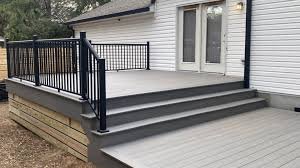
A well-designed deck railing does more than just define the edge of your outdoor space—it enhances aesthetic appeal, safety, and functionality. The right railing design can transform an ordinary deck into an outdoor living area that complements your home’s architecture while providing security for family members, pets, and guests.
In modern deck design, homeowners are no longer limited to traditional wood railings. Today, there are numerous materials and styles available, including wood, metal, glass, cable, and composite. Each option offers distinct advantages and challenges, and understanding them is essential for making a smart, long-lasting investment.
This guide explores popular deck railing materials, design trends, safety considerations, and maintenance tips to help you create a deck that is both stylish and secure.
Key Factors in Choosing Deck Railing Designs
Selecting the right deck railing involves considering multiple factors that balance style, durability, safety, and budget.
Safety and Building Codes
Deck railings are not just decorative—they are critical for preventing accidents and falls. Most building codes specify:
- Minimum railing height: Typically 36–42 inches for residential decks.
- Maximum baluster spacing: Usually no more than 4 inches to prevent children or pets from slipping through.
- Load-bearing capacity: Railing must withstand lateral force to ensure safety.
Material Selection
The material of your railing determines its longevity, maintenance needs, and visual appeal. Common options include:
- Wood
- Metal (aluminum, steel, wrought iron)
- Glass
- Cable
- Composite
Aesthetic Appeal
A deck railing should complement your deck style and home architecture. Consider:
- Color and finish
- Design style (traditional, modern, rustic)
- Decorative elements (ornamental balusters, integrated lighting)
Budget and Maintenance
- Wood is generally affordable but requires frequent maintenance.
- Metal, glass, cable, and composite are more expensive initially but reduce long-term maintenance costs.
Popular Deck Railing Materials and Styles
Wood Railings
Wood is the traditional choice for deck railings, offering a warm, natural look that blends seamlessly with outdoor landscapes.
Advantages:
- Affordable and widely available
- Easily customizable in design, shape, and color
- Provides a classic, timeless aesthetic
Disadvantages:
- High maintenance: Requires regular staining, sealing, or painting
- Susceptible to rot, warping, and insect damage
- Shorter lifespan compared to modern materials
Metal Railings (Aluminum, Steel, Wrought Iron)
Metal railings provide strength, durability, and a sleek modern appearance.
Advantages:
- Long-lasting and weather-resistant
- Minimal maintenance required
- Can be powder-coated in various colors for aesthetics and protection
Disadvantages:
- Higher upfront cost than wood
- Some metals may rust if coatings are damaged
- May feel colder to touch in outdoor settings
Glass Railings
Glass railings are a contemporary choice, perfect for decks with panoramic views.
Advantages:
- Offers unobstructed views
- Sleek and modern aesthetic
- Durable with tempered safety glass
Disadvantages:
- Expensive installation
- Requires frequent cleaning to maintain clarity
- Needs careful handling to avoid chips or cracks
Cable Railings
Cable railings use stainless steel cables to provide a minimalist look with modern appeal.
Advantages:
- Durable and low-maintenance
- Great for open spaces and panoramic views
- Modern, industrial aesthetic
Disadvantages:
- Can loosen over time and require re-tensioning
- Installation requires precision
- Less privacy than solid railings
Composite Railings
Composite railings are made from a blend of wood fibers and recycled plastics, offering the look of wood with durability and low maintenance.
Advantages:
- Resistant to rot, insects, and moisture
- Minimal maintenance required
- Customizable colors and finishes
Disadvantages:
- Higher upfront cost
- Less authentic wood texture compared to natural wood
Decorative and Custom Railing Designs
Deck railings are no longer just functional; they are a key design element. Consider these options:
Ornamental Balusters
- Add patterns, cutouts, or decorative shapes to the railing
- Enhance visual interest without compromising safety
Integrated Lighting
- LED lighting in posts or handrails adds ambiance and improves night-time safety
Mixed Materials
- Combining wood, metal, and glass can create a modern, unique design
Curved or Multi-Level Designs
- Adds architectural flair
- Custom shapes can define zones on large decks
LSI Keywords: custom deck railing ideas, decorative balusters, integrated deck lighting, multi-level deck rails
NLP Entities: baluster, handrail, LED lighting, post, design, customization, aesthetics
Safety Consideration
Even the most stylish railing must meet safety standards:
- Height Requirements: 36–42 inches depending on local codes
- Spacing: Baluster gaps no wider than 4 inches
- Load-Bearing: Must withstand lateral forces
- Non-Slip Surfaces: Handrails should provide secure grip
Maintenance Tips for Long-Lasting Deck Railings
- Wood: Stain, seal, or paint regularly to prevent rot and weathering
- Metal: Inspect for rust, repaint or touch up coatings as needed
- Glass: Clean frequently to avoid streaks and maintain clarity
- Cable: Check tension periodically and inspect for corrosion
- Composite: Wash with mild soap and water, inspect annually for damage
Conclusion
A well-chosen deck railing enhances both style and safety. Wood provides warmth and traditional charm, metal offers sleek durability, glass gives unobstructed views, cable creates a modern minimalist look, and composite combines beauty with low maintenance.
By considering materials, safety, design, budget, and maintenance, homeowners can select a railing that elevates their deck’s aesthetic appeal while meeting safety standards. Investing in the right railing ensures a functional, attractive, and long-lasting outdoor space.
FAQs
Q1: What is the safest material for deck railings?
- Metal, glass, and composite railings are highly durable and compliant with most building codes.
Q2: How do I maintain a wood railing compared to metal or glass?
- Wood requires staining and sealing, while metal and glass need minimal cleaning and periodic inspections.
Q3: Are cable railings compliant with safety codes?
- Yes, if installed with proper spacing and tension to meet local building codes.
Q4: Can I add lighting to my deck railing?
- Yes, LED strips or integrated post lights enhance safety and ambiance.
Q5: What are the most stylish deck railing trends for modern homes?
- Mixed materials, glass panels, cable systems, and integrated lighting are top trends.