

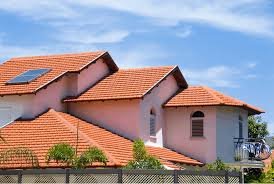
Living in a hot climate presents unique challenges for homeowners, especially when it comes to roofing. The roof is the first line of defense against intense sun, UV radiation, and heat buildup, making it a critical factor in energy efficiency. High temperatures not only make homes uncomfortable but also drive up energy bills due to increased air conditioning use. Choosing the right energy-efficient roofing options can significantly reduce heat absorption, improve indoor comfort, and save money over time.
This guide provides a detailed overview of energy-efficient roofing materials, coatings, ventilation strategies, and cost considerations tailored for hot climates.
Why Energy-Efficient Roofing Matters in Hot Climates
Reducing Heat Transfer
Roofs are often the largest surface area exposed to sunlight. In hot climates, they absorb substantial solar energy, transferring heat into living spaces. Using reflective roofing materials, heat-resistant coatings, and proper insulation reduces heat gain, keeping homes cooler naturally.
Lowering Energy Bills
Energy-efficient roofing reduces the workload on air conditioning systems. Less electricity consumption translates to lower utility bills and decreased wear on HVAC equipment, prolonging its lifespan.
Environmental Benefits
A well-designed roof reduces carbon footprint by lowering energy demand. Reflective materials, sustainable insulation, and green roofing solutions contribute to environmentally responsible home design.
Common Energy-Efficient Roofing Materials for Hot Climates
Choosing the right roofing material is the foundation of energy efficiency.
Metal Roofing
- Metal roofs are highly reflective, bouncing sunlight away from the home.
- Coated with reflective paints, they can reduce heat absorption by up to 70%.
- Durable, fire-resistant, and recyclable, metal roofing offers a long lifespan in extreme heat.
Clay and Concrete Tiles
- Tiles have high thermal mass, absorbing heat slowly and releasing it gradually.
- They maintain cooler interior temperatures during the day.
- Ideal for hot, dry climates, they also offer long-term durability and aesthetic appeal.
Asphalt Shingles with Cool Roof Coatings
- Affordable and widely available.
- Reflective granules reduce solar heat absorption.
- Coatings can be reapplied to restore reflective properties over time.
Synthetic Roofing Materials
- Composite or rubberized tiles are lightweight, reflective, and heat-resistant.
- Designed to mimic traditional materials like slate or wood while offering superior energy efficiency.
Green Roofs
- Vegetated roofs reduce surface temperatures by providing natural insulation.
- Absorb sunlight and provide cooling through evapotranspiration.
- Improve air quality and provide additional environmental benefits.
Roof Coatings and Surface Treatments
Surface treatments enhance the energy efficiency of existing and new roofs.
Reflective Coatings
- White or light-colored coatings reflect solar radiation.
- Reduce the temperature of the roof surface, keeping interiors cooler.
Heat-Resistant Sealants
- Protect roofing materials from UV degradation and extreme heat.
- Extend roof life by preventing cracking, fading, and blistering.
Energy Star Rated Roofs
- Roofing products that meet strict energy efficiency standards.
- Certified materials ensure homeowners receive the maximum reflective and insulating benefits.
Additional Energy-Efficiency Considerations
Proper Attic Ventilation
- Exhausts hot air, reducing roof surface temperature.
- Prevents heat buildup that can compromise shingles and insulation.
Roof Insulation
- Minimizes heat transfer into living spaces.
- Enhances comfort and reduces cooling energy consumption.
Roof Color and Design
- Light-colored roofs reflect more heat than dark colors.
- Sloped designs promote airflow, enhancing natural cooling.
Maintenance and Cleaning
- Dirt and debris reduce reflective efficiency.
- Regular cleaning preserves the roof’s energy-saving properties.
Cost vs. Savings Analysis
Investing in energy-efficient roofing can be more expensive upfront but saves money long-term.
- Metal roofs: High initial cost, but 70%+ solar reflectivity and lifespan of 40–60 years.
- Clay or concrete tiles: Moderate to high cost, high thermal mass, durability, and 50+ year lifespan.
- Cool roof asphalt shingles: Lower initial cost, moderate lifespan, significant energy savings.
- Synthetic roofing: Medium cost, lightweight, and reflective, lasts 30–50 years.
- Green roofs: Expensive but provide insulation, reduce heat islands, and environmental benefits.
Choosing the Right Energy-Efficient Roof for Your Home
Homeowners should consider multiple factors before selecting a roofing system:
- Climate: Extreme heat requires reflective, heat-resistant materials.
- Budget: Balance initial investment with long-term energy savings.
- Aesthetics: Choose materials that match your home’s design.
- Lifespan and durability: Consider maintenance needs and expected longevity.
- Energy Star and certifications: Ensure products meet recognized efficiency standards.
- Professional consultation: Roofing contractors provide tailored solutions based on local conditions.
Conclusion
In hot climates, an energy-efficient roof is more than just an upgrade—it’s an investment in comfort, cost savings, and sustainability. Choosing the right materials, coatings, insulation, and ventilation strategies can drastically reduce heat absorption, lower energy bills, and extend the roof’s lifespan.
Whether considering metal, clay, asphalt, synthetic, or green roofs, homeowners should evaluate reflective coatings, attic ventilation, maintenance, and cost-benefit factors. With proper planning and expert guidance, an energy-efficient roof becomes a long-term asset that enhances home value and livability.
FAQs
- What is the most energy-efficient roofing material for hot climates?
Metal roofs with reflective coatings and clay tiles are among the top options. - How do reflective roof coatings reduce heat?
They bounce solar radiation away from the roof, lowering surface and indoor temperatures. - Can insulation alone improve roof efficiency in hot areas?
Yes, attic insulation minimizes heat transfer but works best combined with reflective roofing. - How often should energy-efficient roofs be maintained?
Inspect twice a year and clean debris regularly to preserve efficiency. - Do Energy Star rated roofs significantly lower energy bills?
Yes, certified roofs reduce cooling costs and improve long-term comfort.