

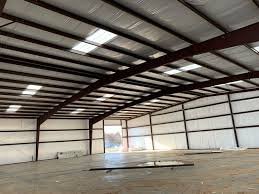
Metal-framed buildings are widely used in commercial, industrial, residential, and agricultural construction due to their strength, durability, and cost efficiency. However, one major challenge with steel and metal framing is thermal performance. Without proper insulation, metal-framed structures can suffer from heat loss, condensation, high energy bills, and reduced occupant comfort.
Choosing the right insulation options for metal-framed buildings is essential to improve energy efficiency, control moisture, meet building codes, and extend the lifespan of the structure. This guide explains how insulation works in metal framing, compares available materials, and helps you select the most effective solution for your building type and climate.
Understanding Heat Transfer in Metal-Framed Buildings
Metal is a highly conductive material. Unlike wood framing, steel transfers heat rapidly, which creates unique insulation challenges.
Thermal Bridging Explained
Thermal bridging occurs when heat travels through metal studs, bypassing insulation. This leads to:
- Increased heating and cooling costs
- Cold spots on interior walls
- Reduced overall R-value of the building envelope
In metal-framed buildings, thermal bridging is one of the main reasons insulation must be carefully selected and installed.
Impact on Energy Efficiency
Without proper insulation strategies, HVAC systems must work harder to maintain indoor temperatures. This increases energy consumption and accelerates equipment wear. Continuous insulation and air sealing play a key role in reducing these losses.
Insulation Challenges Unique to Metal Framing
Metal-framed buildings present challenges that do not typically exist in wood-framed construction.
Condensation and Moisture Control
Steel framing is prone to condensation when warm, moist air contacts cold surfaces. This can result in:
- Mold growth
- Corrosion of metal components
- Reduced insulation performance
Effective vapor barriers and air sealing are essential.
Air Leakage
Metal framing can create gaps at joints and penetrations. Air leakage reduces insulation effectiveness and causes uneven temperatures.
Fire and Sound Considerations
Some insulation materials offer better fire resistance and sound absorption than others. This is particularly important in commercial and multi-use buildings.
Types of Insulation Options for Metal-Framed Buildings
Several insulation materials are commonly used in metal-framed construction. Each has advantages depending on building use, climate, and budget.
Fiberglass Insulation
Fiberglass insulation is one of the most widely used options due to its affordability and availability.
How It Works
Fiberglass traps air within its fibers, slowing heat transfer. It is typically installed as:
- Batts between metal studs
- Blanket insulation in metal buildings
Advantages
- Low material cost
- Easy installation
- Non-combustible
Limitations
- Reduced effectiveness due to thermal bridging
- Requires vapor barriers
- Can lose performance if compressed or wet
Fiberglass works best when combined with continuous insulation to reduce heat loss through metal framing.
Spray Foam Insulation
Spray foam insulation is one of the most effective insulation options for metal-framed buildings, especially for moisture and air control.
Open-Cell vs Closed-Cell Spray Foam
Open-cell spray foam:
- Lower density
- Good sound absorption
- Lower R-value per inch
Closed-cell spray foam:
- Higher R-value
- Acts as an air and vapor barrier
- Adds structural rigidity
Benefits
- Excellent air sealing
- Reduces condensation risks
- High thermal performance
Considerations
- Higher installation cost
- Requires professional application
Spray foam is ideal for buildings where moisture control and energy efficiency are priorities.
Rigid Foam Board Insulation
Rigid foam boards provide continuous insulation and are highly effective in metal-framed construction.
Common Types
- Polyisocyanurate (Polyiso)
- Extruded polystyrene (XPS)
- Expanded polystyrene (EPS)
Advantages
- Reduces thermal bridging
- High R-value per inch
- Moisture-resistant
Applications
- Exterior continuous insulation
- Interior wall assemblies
- Roof insulation systems
Rigid foam is often used alongside fiberglass or spray foam to improve overall thermal performance.
Mineral Wool Insulation
Mineral wool, also known as rock wool, is increasingly popular for metal-framed buildings.
Key Properties
- Fire-resistant
- Moisture-resistant
- Excellent sound absorption
Benefits
- Maintains performance when wet
- Non-combustible
- Stable R-value
Mineral wool is especially suitable for commercial buildings and areas with strict fire safety requirements.
Reflective and Radiant Barrier Insulation
Reflective insulation reduces radiant heat transfer rather than conductive heat loss.
Best Use Cases
- Warm and hot climates
- Metal roofs
- Warehouses and agricultural buildings
Limitations
- Less effective in cold climates
- Must be installed correctly to create air gaps
Radiant barriers are often used as supplemental insulation rather than standalone solutions.
Choosing the Right Insulation Based on Building Use
Commercial Metal Buildings
Require high energy efficiency, fire resistance, and sound control. Spray foam and mineral wool are common choices.
Industrial Warehouses
Often benefit from rigid foam boards and reflective insulation for large open spaces.
Residential Metal-Framed Homes
Require comfort, moisture control, and code compliance. Hybrid insulation systems work best.
Agricultural Buildings
Focus on moisture resistance and durability rather than comfort.
Insulation Performance Metrics Explained
Understanding insulation ratings helps in selecting the right material.
R-Value
Measures resistance to heat flow. Higher R-values provide better insulation.
U-Factor
Indicates how much heat passes through an assembly. Lower values are better.
Air and Vapor Permeability
Controls moisture movement and condensation risk.
Fire Ratings
Important for safety and building code compliance.
Moisture and Condensation Control Strategies
Proper moisture management is critical in metal-framed buildings.
Vapor Barriers
Prevent moisture from entering insulation layers.
Air Sealing
Reduces condensation and improves energy efficiency.
Ventilation
Balances indoor humidity levels and protects building materials.
Ignoring moisture control can lead to mold growth and metal corrosion.
Installation Methods for Metal-Framed Insulation
Interior Insulation
Easier to install but may not fully address thermal bridging.
Exterior Continuous Insulation
Highly effective at reducing heat loss and condensation.
Hybrid Systems
Combine multiple insulation types for optimal performance.
Proper installation is just as important as material selection.
Energy Efficiency and Building Code Considerations
Metal-framed buildings must comply with:
- International Energy Conservation Code (IECC)
- ASHRAE standards
- Local fire and safety regulations
Meeting these requirements improves resale value and reduces operational costs.
Cost Comparison of Insulation Options
Initial Costs
Fiberglass is the most affordable, while spray foam has higher upfront costs.
Long-Term Savings
Higher-performance insulation reduces energy bills and maintenance costs.
Return on Investment
Energy-efficient buildings offer long-term financial benefits.
Environmental Impact and Sustainability
Many modern insulation materials use recycled content and low-VOC formulations. Energy-efficient insulation reduces carbon emissions and supports sustainable construction practices.
Common Mistakes When Insulating Metal-Framed Buildings
- Ignoring thermal bridging
- Incorrect vapor barrier placement
- Underestimating moisture risks
- Choosing insulation based solely on cost
Avoiding these mistakes improves building performance and longevity.
Maintenance and Long-Term Performance
Regular inspections help detect:
- Moisture intrusion
- Insulation settling or damage
- Air leaks
Timely maintenance preserves insulation effectiveness over time.
Frequently Asked Questions
What is the best insulation for metal-framed buildings?
Spray foam and rigid foam boards offer the best thermal and moisture performance.
Can insulation prevent condensation in steel buildings?
Yes, when combined with proper air sealing and vapor barriers.
Is exterior insulation better than interior insulation?
Exterior continuous insulation is more effective at reducing thermal bridging.
Conclusion
Selecting the right insulation options for metal-framed buildings is essential for energy efficiency, comfort, and durability. Understanding heat transfer, moisture control, and insulation materials allows building owners to make informed decisions. Whether using spray foam, rigid foam, fiberglass, or mineral wool, proper installation and thoughtful design ensure long-term performance and cost savings.
Well-insulated metal-framed buildings not only meet modern energy standards but also provide a healthier and more comfortable indoor environment.