
Severe weather events are becoming more frequent and intense, making storm damage a serious concern for homeowners. Your roof is the first line of defense against the elements, and when storms strike, it often suffers the most damage. Understanding how storm damage affects your roof and insurance claims is critical for protecting your home, minimizing repair costs, and ensuring a smooth insurance process.
This guide explains the types of storm damage, how it impacts roofing systems, what insurance typically covers, and the exact steps homeowners should take after a storm. Whether you are dealing with hail damage, wind damage, or heavy rain intrusion, this article will help you make informed decisions.
Understanding Storm Damage to Residential Roofing Systems
Storm damage can affect any roofing system, regardless of age or material. However, the severity and type of damage often depend on the kind of storm and the roof’s construction.
Types of Storms That Cause Roof Damage
Several weather events commonly lead to storm-related roof damage:
- Hailstorms: Hail can crack shingles, dislodge granules, and dent metal roofing.
- Windstorms: High winds can lift, loosen, or completely remove roof shingles and flashing.
- Heavy Rain: Prolonged rainfall may cause leaks, especially if the underlayment is compromised.
- Hurricanes and Tropical Storms: These combine wind, rain, and flying debris, often causing extensive structural damage.
- Snowstorms and Ice Dams: Ice buildup can block proper drainage, forcing water under shingles.
Each storm type creates different risks, which insurance adjusters evaluate differently during a claim.
Common Roof Damage Caused by Storms
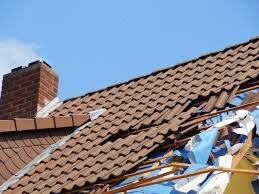
Storms can damage multiple components of a roofing system, including:
- Missing or lifted asphalt shingles
- Granule loss that exposes the shingle base
- Cracked or dented metal roofing panels
- Damaged flashing around chimneys and vents
- Leaks leading to water intrusion
- Gutter detachment or blockage
Some damage is visible immediately, while other issues remain hidden until they worsen.
How Storm Damage Impacts the Structural Integrity of Your Roof
Storm damage does not always cause immediate roof failure, but even minor issues can weaken your roof over time.
Immediate vs Long-Term Roof Damage
Immediate damage includes missing shingles, visible holes, or active leaks. These problems require urgent attention to prevent further loss.
Long-term damage develops when water penetrates the roofing system. Moisture can rot roof decking, weaken fasteners, and reduce the overall lifespan of your roof. Insurance companies often investigate whether damage is storm-related or due to neglect.
How Water Penetration Leads to Internal Damage
Once water enters the roofing system, it can spread beyond the roof itself:
- Saturated insulation reduces energy efficiency
- Mold growth threatens indoor air quality
- Ceiling stains and drywall damage occur
- Electrical systems may be exposed to moisture
These secondary damages significantly increase repair costs and often play a role in insurance claim approvals.
Signs of Storm Damage Homeowners Should Never Ignore
Identifying storm damage early improves your chances of a successful roof insurance claim.
Exterior Warning Signs
After a storm, homeowners should look for:
- Loose, curled, or missing shingles
- Dented vents, flashing, or skylights
- Shingle debris in the yard or gutters
- Sagging roof sections
Even small exterior issues may indicate deeper problems.
Interior Warning Signs
Interior signs of roof storm damage include:
- Water stains on ceilings or walls
- Peeling paint or bubbling drywall
- Damp attic insulation
- Dripping water during rainfall
If you notice any of these, a roof inspection is essential.
The Role of Roof Inspections After a Storm
A professional roof inspection is one of the most important steps after storm damage.
Professional Roof Inspections vs DIY Checks
While homeowners can perform basic visual checks, professional roofing contractors provide:
- Safer access to the roof
- Detailed inspection of shingles, flashing, and decking
- Accurate damage identification
- Documentation required for insurance claims
DIY inspections often miss subtle storm-related damage that insurers look for.
How Inspection Reports Support Insurance Claims
A certified roof inspection report strengthens your insurance claim by including:
- High-resolution photos of damage
- Clear explanations of storm-related issues
- Repair or roof replacement cost estimates
- Timelines showing when damage occurred
Insurance companies rely heavily on this documentation during claim evaluation.
How Storm Damage Affects Roof Insurance Claims
Storm damage directly influences whether your homeowners insurance claim is approved, partially paid, or denied.
What Homeowners Insurance Typically Covers
Most homeowners insurance policies cover:
- Wind damage
- Hail damage
- Storm-related water intrusion
Coverage usually applies to the dwelling portion of the policy, minus the deductible.
Common Insurance Claim Exclusions and Limitations
Insurance companies may deny or limit claims due to:
- Normal wear and tear
- Poor roof maintenance
- Pre-existing roof damage
- Improper installation
Understanding your policy terms before filing a claim helps avoid surprises.
Step-by-Step Process for Filing a Roof Insurance Claim
Following the correct process improves claim approval rates.
What to Do Immediately After Storm Damage
Homeowners should:
- Take temporary measures to prevent further damage
- Cover exposed areas with tarps if safe to do so
- Keep receipts for emergency repairs
Insurance policies often require homeowners to mitigate additional damage.
How to Document Roof Damage Properly
Effective documentation includes:
- Photos and videos from multiple angles
- Close-ups of damaged shingles and flashing
- Interior damage photos
- Written notes with dates and storm details
This evidence helps insurance adjusters link damage to the storm event.
Working With Insurance Adjusters
Insurance adjusters assess:
- Extent of storm damage
- Roof age and condition
- Repair vs replacement feasibility
Being present during the inspection and having a roofing contractor available can prevent overlooked damage.
How Roofing Contractors Help With Insurance Claims
Experienced roofing contractors play a key role in the insurance process.
Choosing an Insurance-Friendly Roofing Contractor
Look for contractors who offer:
- Proper licensing and insurance
- Storm damage and insurance claim experience
- Detailed written estimates
- Clear communication with adjusters
A knowledgeable contractor can explain damage in insurance-friendly terms.
Avoiding Storm Chasers and Roofing Scams
After storms, fraudulent contractors often target homeowners. Warning signs include:
- Door-to-door solicitation
- Pressure tactics
- Requests for full payment upfront
Always verify credentials before signing contracts.
Repair vs Roof Replacement After Storm Damage
Not all storm damage requires full roof replacement.
When Roof Repairs Are Sufficient
Repairs may be appropriate when:
- Damage is localized
- Structural integrity is intact
- Shingles can be matched
Insurance companies often prefer repairs when feasible.
When Full Roof Replacement Is Required
Roof replacement may be necessary if:
- Damage is widespread
- Multiple storms caused cumulative damage
- Roof decking is compromised
- Shingles are no longer manufactured
Severe storm damage often justifies full replacement under insurance policies.
How Roof Age and Maintenance Affect Insurance Claims
Roof condition significantly impacts insurance payouts.
ACV vs RCV Insurance Policies
- Actual Cash Value (ACV): Pays depreciated value based on roof age
- Replacement Cost Value (RCV): Covers full replacement cost
Older roofs often receive lower ACV payouts.
Importance of Regular Roof Maintenance
Proper maintenance helps:
- Prevent claim denials
- Extend roof lifespan
- Demonstrate responsible ownership
Insurance companies favor well-maintained roofs.
Preventing Future Storm Damage to Your Roof
Proactive measures reduce future risks and insurance claims.
Storm-Resistant Roofing Materials
Options include:
- Impact-resistant shingles (Class 4)
- Metal roofing
- Enhanced underlayment systems
These materials offer better protection against hail and wind.
Routine Roof Maintenance Best Practices
Homeowners should:
- Schedule annual roof inspections
- Clean gutters regularly
- Trim overhanging branches
- Address minor issues promptly
Preventive care saves money long-term.
Frequently Asked Questions About Storm Damage and Roof Insurance Claims
How long do I have to file a roof insurance claim after a storm?
Most insurers allow 6–12 months, but timelines vary by policy.
Will insurance cover an older roof?
Yes, but payouts depend on depreciation and policy type.
Can I choose my own roofing contractor?
In most cases, homeowners have the right to choose.
What if my roof damage claim is denied?
You can request a reinspection or hire a public adjuster.
Does insurance cover emergency roof repairs?
Temporary repairs are often reimbursed if documented.
Final Thoughts on Storm Damage, Roofing, and Insurance Claims
Storm damage can significantly affect your roof and your insurance claim outcome. Acting quickly, documenting damage properly, and working with experienced roofing professionals are the keys to protecting your home and finances. By understanding your roofing system, insurance coverage, and claim process, you can navigate storm damage with confidence and reduce long-term risks.